

Bridging Brains and Bots: Unleashing Bidirectional Neural Power
Original Article By SemiVision Research [Reading time: 10 mins]

“Reading the Brain” Decoding and “Writing to the Brain” Encoding
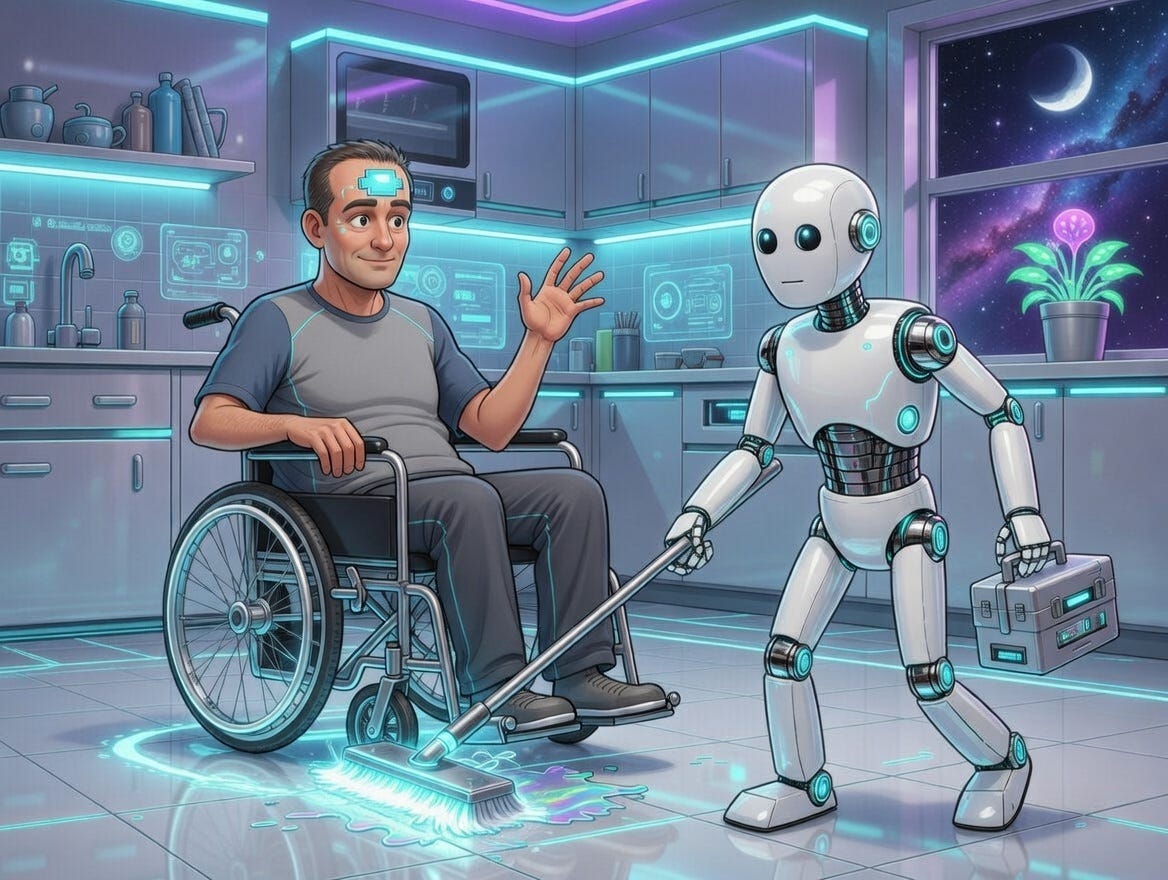
A Brain-Computer Interface (BCI) refers to the creation of a connection pathway for information exchange between the brain of an organic life form and a device with processing or computational capabilities. This enables information exchange and control by measuring brain activity and converting it into commands for computers or other devices, allowing users to control machines and equipment using only their thoughts. The realization of brain-machine intelligence relies on the information interaction between the brain and machines.
The implementation of brain-machine intelligence depends on bidirectional information interaction between the brain and machines: first, from brain to machine—extracting brain information by “reading it out”; second, from machine to brain—inputting external information or instructions by “writing it in.” The bridge between the two is brain signal encoding and decoding technology, which uses computational methods to parse brain signals into understandable intentions (such as movement or speech), information (such as visual or auditory), or states (such as fatigue). Then, based on task decisions, external information is written into the brain to achieve intelligent interconnection between the brain and machines.
Three Major Categories: Non-Invasive and Non-Intrusive Types Receiving Attention
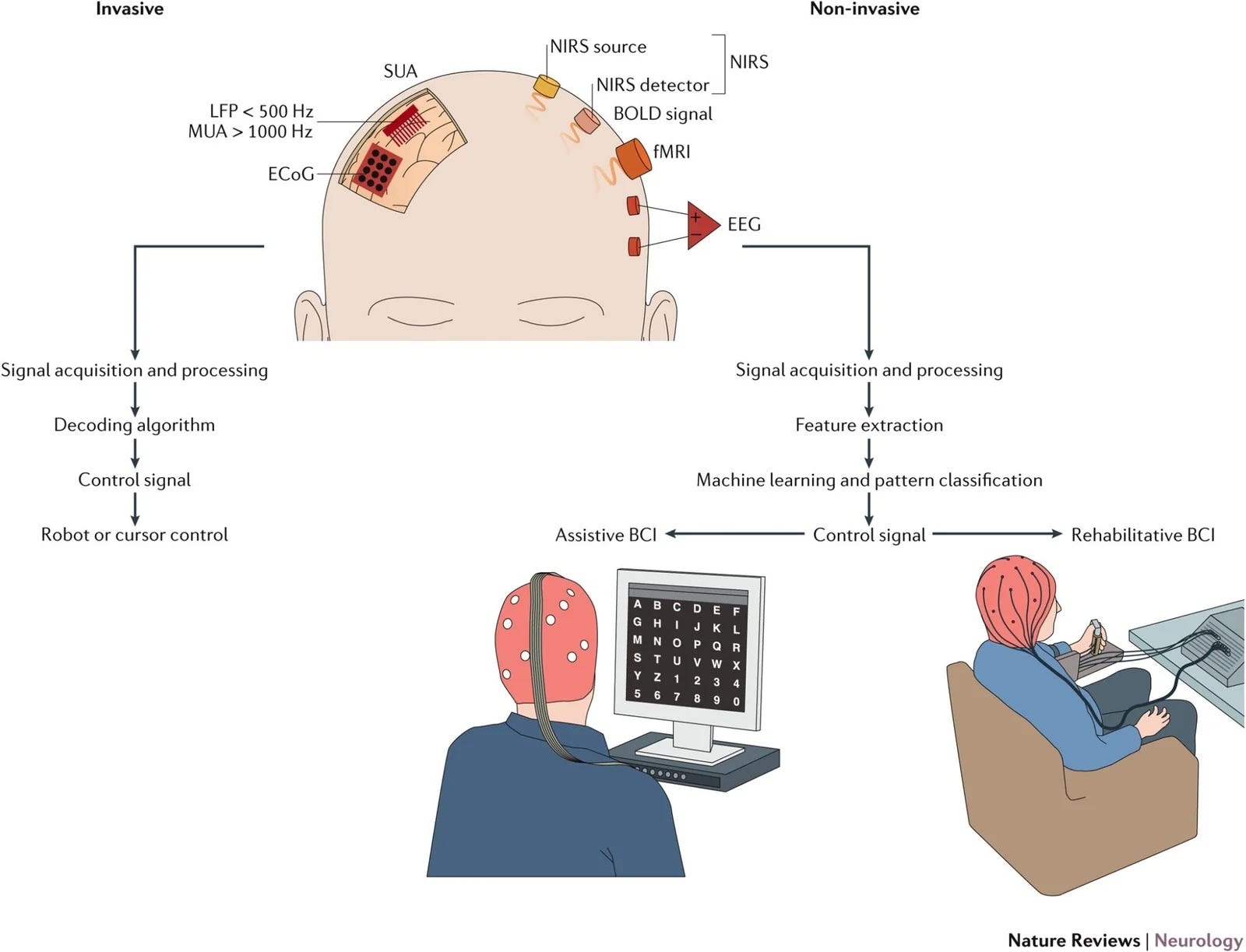
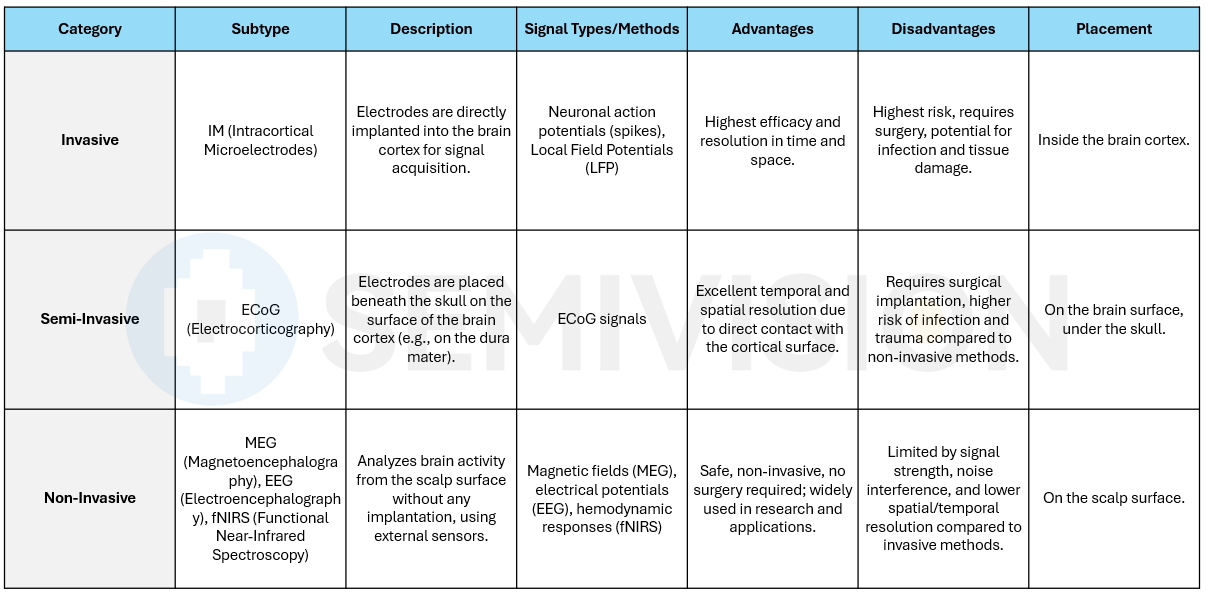
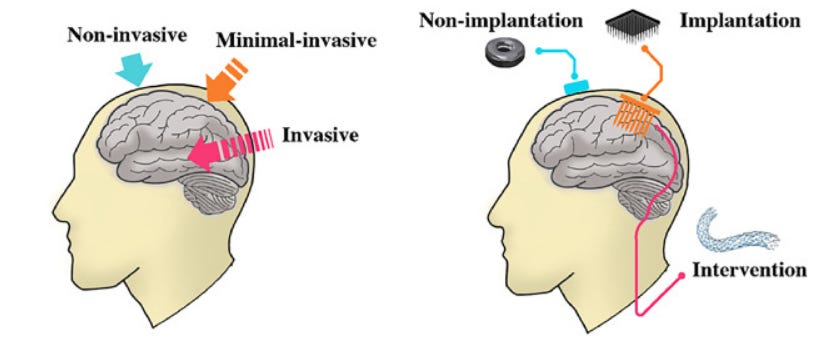
Electroencephalographic (EEG) physiological signals are the most commonly used signal types in brain-machine intelligence systems. From the perspective of signal acquisition, they can be divided into three categories: invasive, semi-invasive, and non-invasive.
Invasive methods require the direct implantation of intracortical microelectrodes (IM) into the human brain, offering the best efficacy but with the highest risks. Commonly used invasive EEG signals include neuronal action potentials and local field potentials.Semi-invasive electrodes are placed beneath the skull on the surface of the brain, such as in electrocorticography (ECoG). Due to direct contact with the cortical surface, they provide excellent temporal and spatial resolution, but require surgical implantation of electrodes, posing higher risks of infection and trauma.
Non-invasive methods analyze brain activity from the surface of the head using techniques like electroencephalography (EEG), magnetoencephalography (MEG), or functional magnetic resonance imaging (fMRI), without the need for electrode implantation. Because of their safety and non-invasiveness, they have received widespread research and industrial applications. However, limited by the strength of signals collected outside the brain and noise interference, the achievable performance of brain-machine interactions is currently restricted.
Development History: Continuously Breaking the Boundaries Between Organisms and Machines
The development of brain-computer interfaces (BCIs) began over a century ago with the exploration of electrical signals in the brain. In 1924, German scientist Hans Berger recorded the first human electroencephalogram (EEG), laying the physical foundation for BCI technology.
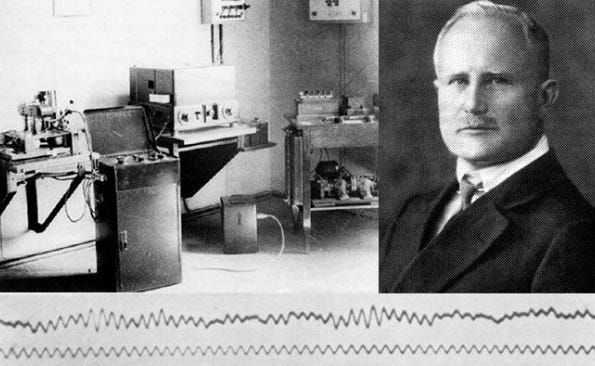
After entering the conceptual formation period, the term “brain-computer interface” was formally proposed in 1973, marking the birth of the field.
In 1988, the advent of the P300 speller enabled paralyzed patients to achieve “thought communication” for the first time, representing a revolutionary breakthrough.
Clinical breakthroughs have been key turning points in BCI development. In the 2004 BrainGate clinical trial, a paralyzed patient successfully controlled a robotic arm to perform a drinking action through an implanted electrode array, proving the feasibility of mind-controlled complex devices.
In 2012, a new study in Nature reports that two people with tetraplegia were able to reach for and grasp objects in three-dimensional space using robotic arms that they controlled directly with brain activity. They used the BrainGate neural interface system, an investigational device currently being studied under an Investigational Device Exemption.
The 2014 demonstration of a brain-controlled exoskeleton kicking off the ball at the Brazil World Cup vividly showcased BCI’s application potential to a global audience.
In recent years, BCI has entered a new phase of accelerated development. In 2016, the founding of Neuralink propelled BCI toward commercialization.
In 2024, Neuralink completed its first human implant.
In 2025, China achieved a series of breakthroughs in clinical applications such as flexible electrodes and epilepsy treatment, signifying that the technology is transitioning from the laboratory to practical use.
About Neuralink
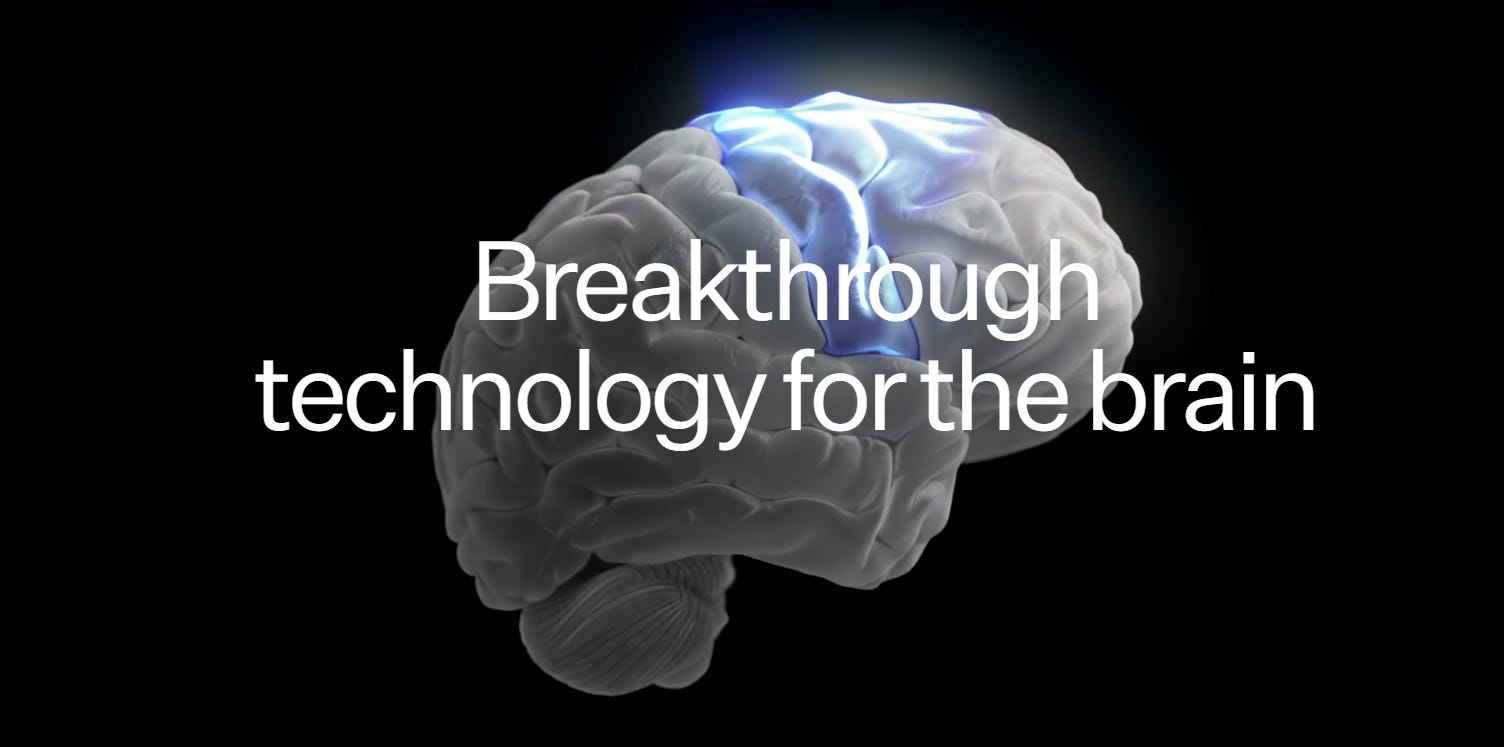
Neuralink, founded by Elon Musk in 2016, is at the forefront of brain-computer interface (BCI) technology, aiming to merge human cognition with machines to address neurological disorders and enhance human capabilities. As of early 2026, the company has made significant strides in human trials and device innovation. Its flagship N1 Implant, a coin-sized device with ultra-thin flexible threads containing over 1,000 electrodes, is surgically inserted into the brain to record and stimulate neural activity. The implant enables users to control digital devices through thought alone, bypassing traditional inputs like keyboards or voice commands.
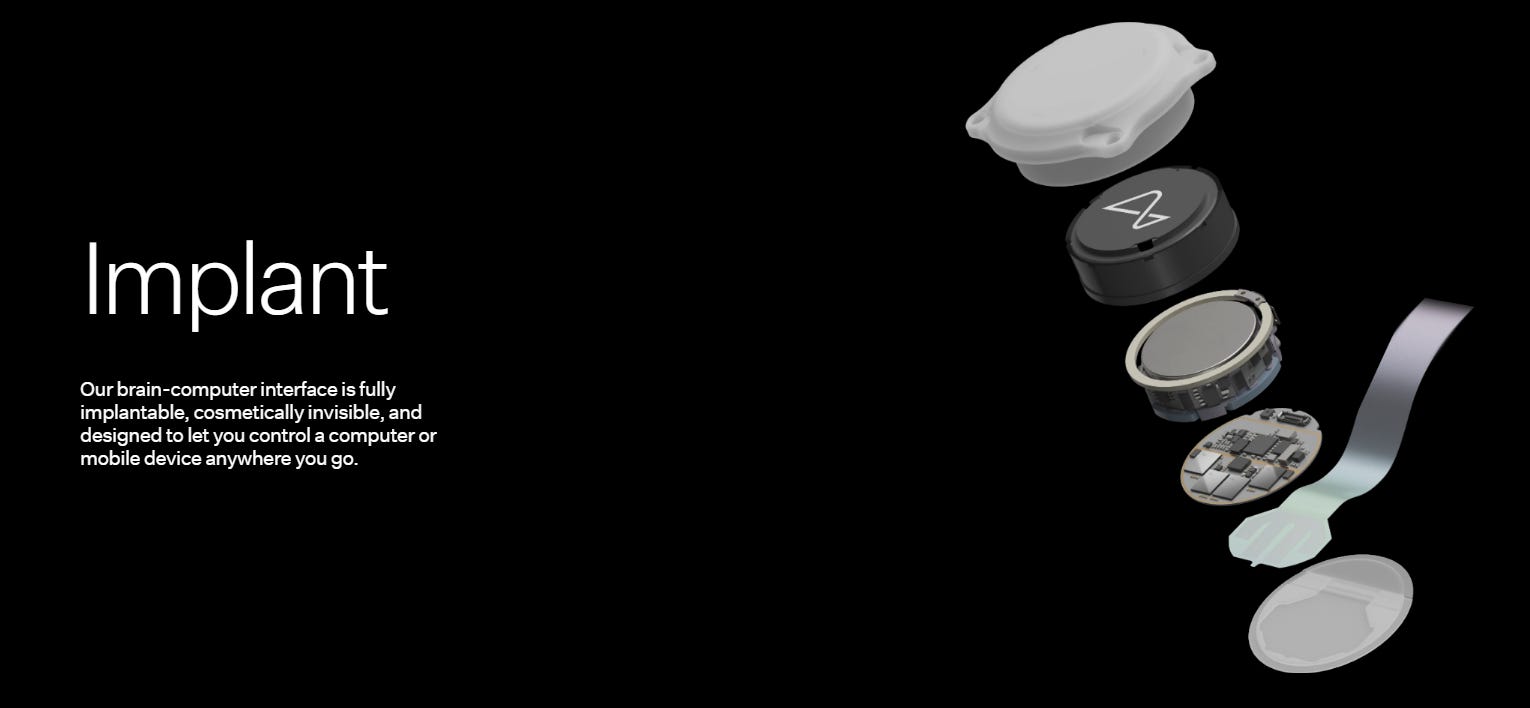
Key milestones include the first human implantation in January 2024 on patient Noland Arbaugh, a quadriplegic who demonstrated mind-controlled cursor movement, gaming (e.g., chess), and social media interaction. By January 2026, Neuralink has implanted devices in 21 participants, expanding trials to include robotic arm control and speech restoration for conditions like ALS and paralysis.
The company received FDA Breakthrough Device Designation for speech in May 2025 and launched the GB-PRIME study in Great Britain in July 2025. A $650 million Series E funding round in June 2025 has boosted its valuation to around $9 billion, fueling R&D and scaling efforts.
Recent developments focus on scalability: Musk announced high-volume production of implants and near-fully automated robotic surgeries starting in 2026, aiming to reduce procedure time and risks to LASIK-like levels.
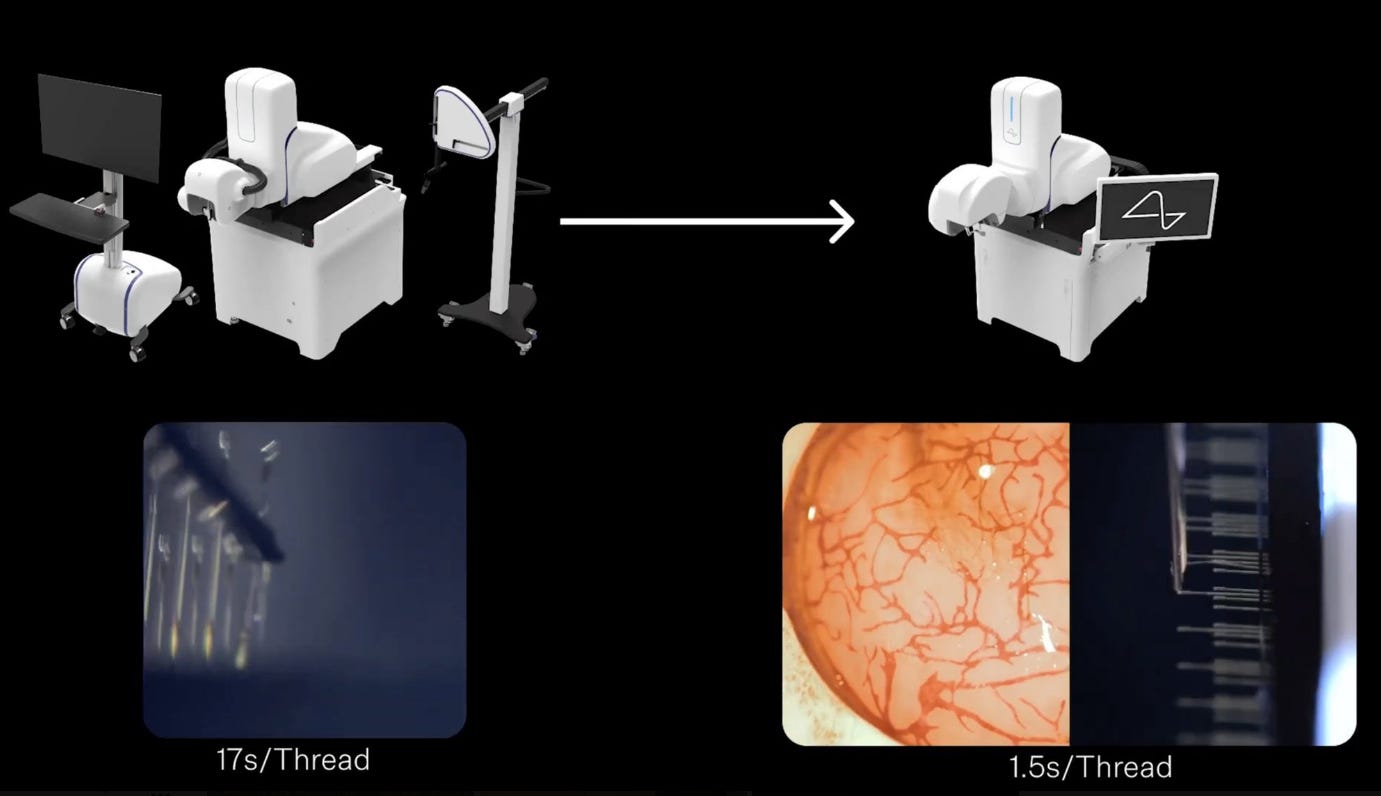
Neuralink’s upgraded surgical robot can reportedly insert brain threads in ~1.5 seconds vs 17 seconds before—an important step toward faster, more precise procedures. If successful, this moves brain–computer interfaces from theory toward real clinical impact—first restoration, then potential augmentation.
The roadmap includes tripling electrode counts to 3,000 by 2026 for higher data rates, improving communication speeds from 4-10 bits per second to potentially match natural speech. Upcoming trials target vision restoration with the Blindsight implant, which could enable basic sight for the blind by stimulating the visual cortex, with human tests planned for early 2026.
Despite achievements, challenges persist, including regulatory scrutiny (e.g., past FDA safety concerns resolved in 2023) and competition from firms like Paradromics, which boast higher preclinical data rates.
Neuralink’s dual focus—medical aid for disabilities and long-term human-AI symbiosis—has sparked debates on ethics and priorities, but its progress signals a transformative era in neurotechnology, potentially restoring autonomy to millions while unlocking cognitive enhancements.
“Hardware + Healthcare” Dual Engines, Non-Implantable Takes the Mainstream Market
The Chinese brain-computer interface market has entered a rapid growth trajectory, with non-implantable technology occupying the dominant position. According to the “China Medical Device Industry Development Report (2025)”, the scale of the Chinese brain-computer interface market reached 3.2 billion yuan in 2024, with a year-on-year growth of 18.8%.
According to estimates from the China Electronic Information Industry Development Research Institute, it will grow to 5.58 billion yuan by 2027, with a growth rate of 20%. Among them, non-implantable brain-computer interfaces account for 82% of the overall market scale, with a market size of 2.63 billion yuan.According to the “Brain Computer Interface Market: Industry Overview, Size, Share, Growth Trends, Research Insights, and Forecast (2025-2032)” released by Stellar Market Research, in 2024, in the application field, healthcare is the core application scenario for brain-computer interfaces, with its sub-market revenue accounting for 58.54%; in terms of products, non-invasive brain-computer interfaces are the dominant form, with revenue accounting for 81.86%; in the component field, hardware is the key component, with revenue accounting for 63.97%; at the end-user level, the medical sub-market revenue accounts for 46.41%.
Core Technology Barriers of Brain–Computer Interfaces (BCI)
Technology Flow & Key Barriers
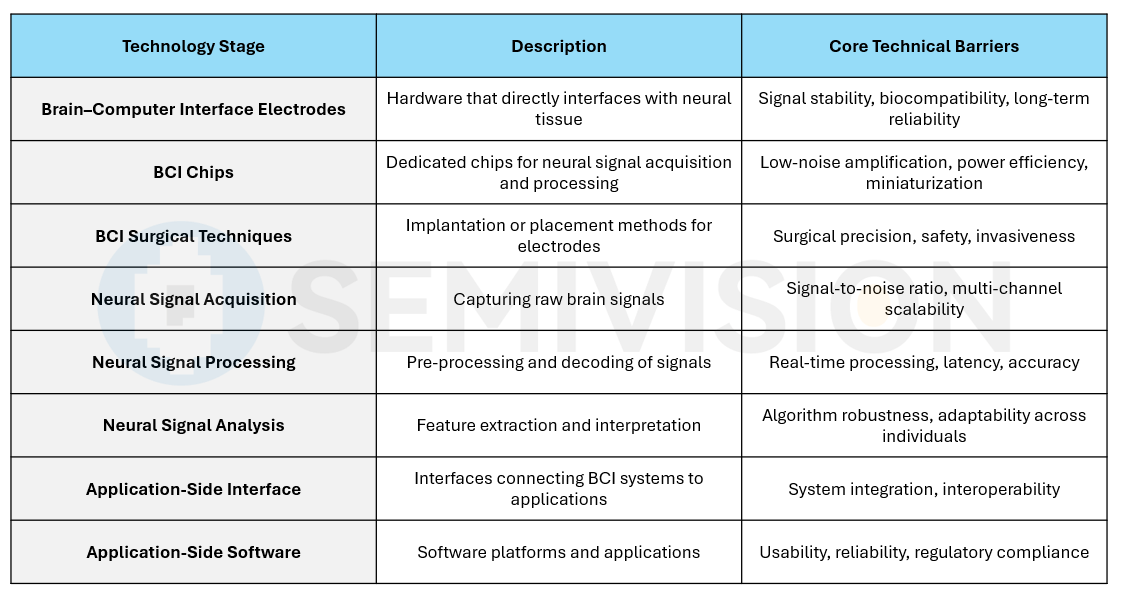
Industry Chain Structure
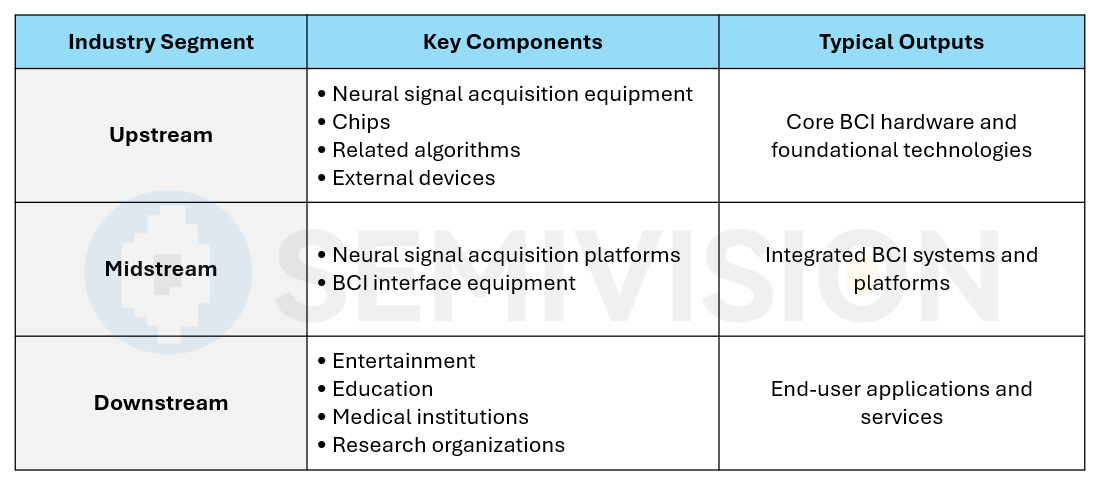
The upstream segment creates value primarily through hard technological barriers. It is both capital-intensive and knowledge-intensive, with high entry thresholds and long development and accumulation cycles.
The midstream segment focuses on system integration and platform scalability, which determine whether brain–computer interface technologies can evolve from isolated technical breakthroughs into large-scale, deployable systems.
The downstream segment emphasizes application innovation and commercialization, while being strongly influenced by regulatory acceptance and compliance. The pace of development at this stage is often constrained as much by regulation as by technology itself.
Rich Application Scope in Medical Sector, Huge Market Demand
The medical application prospects of brain-computer interface technology are broad, with a large base of related patients, clear clinical needs, and diverse intervention directions, possessing significant market potential and long-term growth space. Its core market focuses on the three major areas of “disability, blindness, and deafness.”
The disability field encompasses groups experiencing loss or limitation of motor function due to aging, chronic diseases (such as Alzheimer’s disease and severe stroke), congenital disabilities, severe accidents (such as spinal cord injury), and more. Brain-computer interfaces offer clear application pathways and related products in rehabilitation training and motor function recovery, helping patients improve their quality of life and restore partial mobility.
In the blindness field, it targets blinding retinal diseases with limited and irreversible drug treatment effects, such as age-related macular degeneration, “eye stroke,” and glaucoma. Brain-computer interfaces can attempt to bypass damaged eye structures through visual cortex stimulation technology, directly transmitting visual information to the brain, providing patients with a new possibility for artificial visual perception.
In the deafness intervention field, for patients with severe to profound sensorineural hearing loss (such as some cases of congenital deafness, senile deafness, and sudden deafness), cochlear implants—as a mature applied brain-computer interface technology—serve as one of the most effective intervention methods currently available. Future brain-computer interface technologies may offer superior solutions in areas such as sound discrimination and speech understanding.
Therapeutic Disease Areas of Brain–Computer Interfaces (BCI)
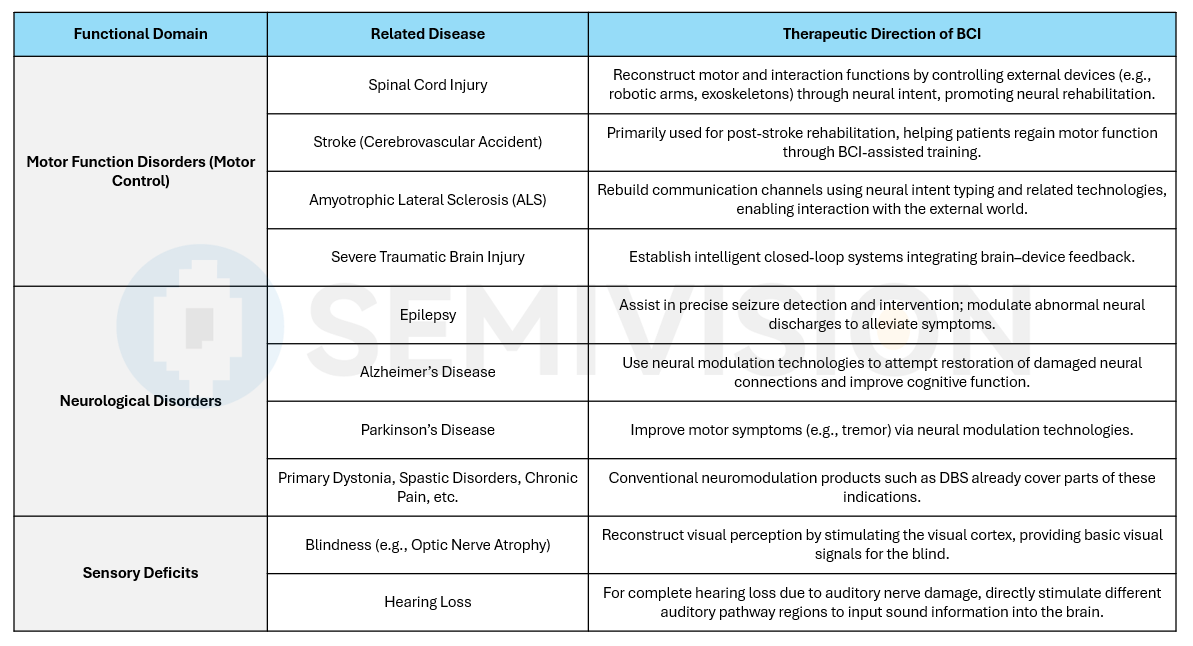
China Domestic Dual-Track Market: A Medical Blue Ocean of Tens of Millions in Motor Rehabilitation and Visual Reconstruction
In the field of motor function rehabilitation, neurological diseases such as stroke, cerebral hemorrhage, traumatic brain injury, amyotrophic lateral sclerosis (ALS), and spinal cord injury constitute a vast patient population. According to the GBD database, China had approximately 4.09 million new stroke cases in 2021, with over 26 million prevalent stroke patients. This enormous and continuously expanding clinical demand lays a solid market foundation for the application of brain-computer interfaces in motor function reconstruction.
China has a large base of patients with visual impairments, providing a clear and urgent clinical entry point for the medical applications of brain-computer interface technology. According to statistics from the National Bureau of Statistics and the China Disabled Persons’ Federation, the broadly defined visually impaired population in China exceeds 17 million, with common conditions including retinal diseases and neurological disorders. As technology matures, visual reconstruction is expected to become one of the fastest-commercializing subfields in brain-computer interface medical applications.
Analysis of Key Technologies in Brain-Computer Interfaces
The key technologies of brain-computer interfaces include acquisition technology, stimulation technology, paradigm encoding technology, decoding algorithm technology, peripheral technology, and systematization technology. This technology system supports three typical application scenarios: brain state monitoring, neural regulation, and external interaction, together forming a complete application spectrum for brain-computer interfaces from perception and intervention to collaborative work.
Acquisition Technology: Dual Focus in R&D, Mainstream Electrical Acquisition and Chip Simulation
The key R&D focuses in acquisition technology include the acquisition end and the signal processing end. Conventional technical means at the acquisition end include electrical acquisition, magnetic acquisition, near-infrared acquisition, and other methods, among which electrical acquisition is the mainstream R&D direction. Magnetic and near-infrared acquisition technologies are relatively farther from practical application due to constraints such as cost and technological maturity. The signal processing end involves analog chips and digital chips. Since the digital chips used in current brain-computer interface systems are mostly general-purpose chips in the industry, the focus needs to be on the development of analog chips.
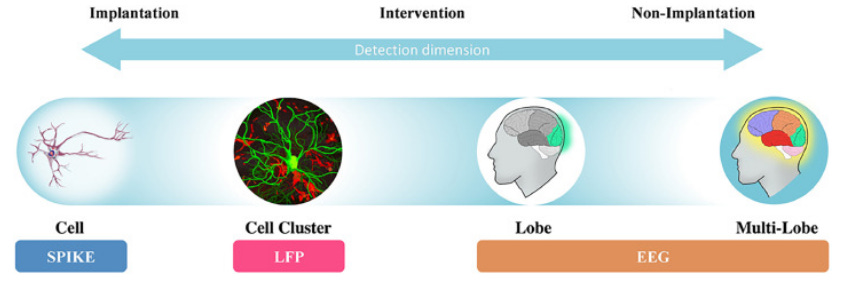
Implantable microelectrodes are the key foundation for brain-computer interaction and are widely used in fields such as basic neuroscience, diagnosis and treatment of brain diseases, and brain-computer interaction communication. Implantable microelectrodes convert neural electrical signals carried by ions into current or voltage signals carried by electrons, thereby acquiring information on brain neural electrical activity.
Non-implantable electrodes have a wide range of application scenarios. Non-implantable electrodes do not require surgical implantation; they can be placed directly on the scalp to collect EEG signals, hence also known as non-invasive electrodes. Their safe and non-invasive characteristics make them more easily accepted by users, and they are widely applied in scenarios such as non-clinical brain disease diagnosis and treatment, as well as consumer-level brain science applications.
Brain signal acquisition chips are the core hardware that processes brain electrical analog signals through amplification, filtering, and other treatments before converting them into digital signals. They are also tools relied upon for brain signal reading and decoding, as well as diagnosis and regulation of brain diseases. Given the physiological characteristics of brain signals and application scenarios, there are numerous technical challenges in the design process of customized brain signal acquisition chips.
Precision amplifiers are the core modules in brain signal acquisition chips and need to meet multiple technical parameter requirements in brain-computer interface application scenarios. There are mutual constraints among multiple brain signal acquisition parameters, and the overall optimization of multiple parameters is one of the core issues in current brain signal acquisition chip design.
Stimulation Technology: Three Major Application Scenarios Based on Information Flow and Future Outlook
The application scenarios of brain-computer interface technology are divided into three categories based on information flow: brain state detection, neural regulation, and external interaction.
From the perspective of information flow, brain state detection involves information flowing from the brain to the external environment and peripherals, neural regulation involves information flowing from the external environment and peripherals to the brain, and external interaction involves bidirectional flow of information. Therefore, the focus is on introducing the typical applications of brain-computer interface systems in different scenarios around the utilization, interaction, and feedback of information, as well as the system’s performance requirements in various aspects.
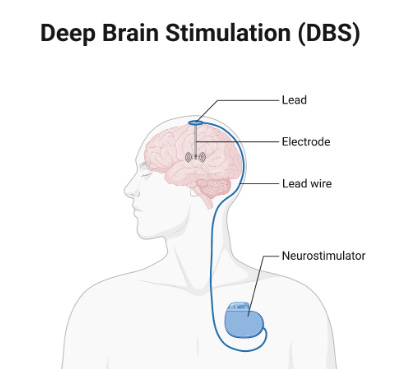
Deep Brain Stimulation (DBS) is a highly representative implantable electrode stimulation technology. Visual regulation technology and implantable visual regulation technology have significant importance for improving the quality of life for blind individuals, and related research has already been conducted. The vast majority of research teams worldwide, in open-loop visual reconstruction research, are gradually shifting their research direction from retinal stimulation to cortical stimulation. Currently, the focus is mainly on electrical stimulation of the primary visual cortex (V1) to achieve artificial visual perception.
Paradigm Encoding Technology: From Active and Passive Paradigms to Mainstream Decoding Technologies
Paradigm encoding technology, where “paradigm” can be defined as: In encoding tasks, corresponding the brain intentions that one wishes to identify with detectable, distinguishable, and collectable brain signals, thereby achieving recognizable output of brain intentions. In specific implementations, passive paradigms (such as the visual evoked potential stimulation paradigm P300) are developing towards interface layout optimization, face image spelling, and integration of physical stimuli; active paradigms, such as the Motor Imagery (MI) paradigm, are developing towards greater refinement.
At the decoding technology level, the Kalman filter has become the current mainstream implantable decoding method; for non-implantable, decomposition algorithms are adopted as the mainstream decoding scheme, widely applied in denoising and intention decoding for brain-computer interface systems.
Technological Breakthrough: Expanding from Medical Assistance to Security Fields, Building Multi-Dimensional Application Scenarios
Brain-computer interface technology has already broken through the single medical application scenario, building an application system that covers functional compensation, state optimization, and security enhancement. At the functional compensation level, it can re-establish the ability to perceive the world and act for people with physical functional impairments, helping them better integrate into social life and improve their quality of life; in terms of state optimization, it targets healthy populations, assisting them in enhancing cognitive efficiency and optimizing human-computer interaction experiences, allowing people to be more adept in scenarios such as work and learning, fully realizing their potential; in the security enhancement field, it plays an important role in key areas such as industrial security and biometric identification, building new technological defenses to safeguard social security and stability.
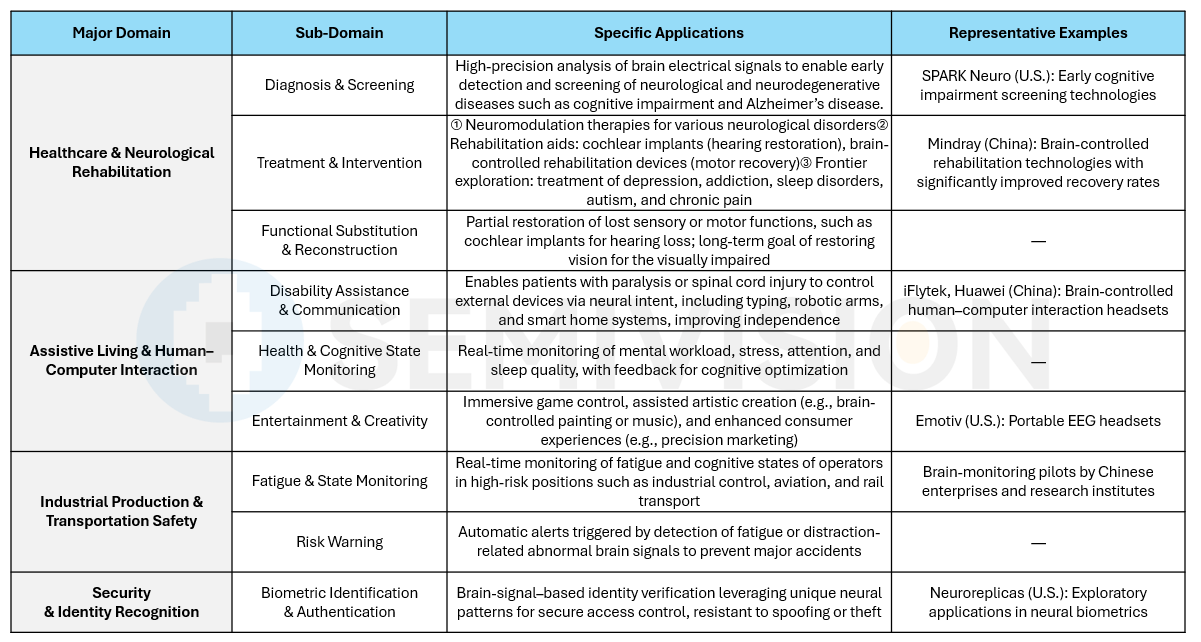
In summary, the global brain-computer interface market is poised for explosive growth, driven by the dual engines of hardware and healthcare, with non-implantable technologies dominating the landscape. With a current market size of approximately USD 2.94 billion in 2024 projected to reach around USD 4.72 billion by 2027, and vast applications spanning motor rehabilitation, visual reconstruction, and beyond, this sector represents a massive blue ocean opportunity fueled by enormous patient bases and clear clinical demands.
Investing in brain-computer interfaces is not only worthwhile but essential, as it promises substantial returns through innovative solutions that address disabilities, optimize human potential, and enhance security. Ultimately, this transformative technology will reshape the future, bridging the gap between mind and machine to unlock unprecedented advancements in medicine, daily life, and societal progress.
SemiVision’s Summary on Brain-Computer Interfaces
Brain-computer interfaces (BCI) represent one of the most transformative technologies of our era, bridging the human mind directly with machines to restore lost functions, enhance cognition, and redefine human potential. From medical breakthroughs in paralysis recovery and vision restoration to future possibilities in seamless human-AI symbiosis, BCI is rapidly evolving from experimental science into a high-growth industry. SemiVision believes this field will become critically important in the coming decades, driving profound changes across healthcare, human augmentation, and society at large. Everyone should keep a close eye on its developments—because the future of intelligence and interaction is being written right now.
Below are introductions to several noteworthy brain-computer interface (BCI) companies worth keeping an eye on. These profiles highlight their unique approaches, key technologies, and current progress in the rapidly evolving neurotech landscape
Bitbrain is a leading Spanish neurotechnology company founded in 2010 as a spin-off from the University of Zaragoza. Specializing in non-invasive brain sensing, it combines neuroscience, artificial intelligence, and advanced hardware to develop innovative, user-friendly EEG devices and software solutions.
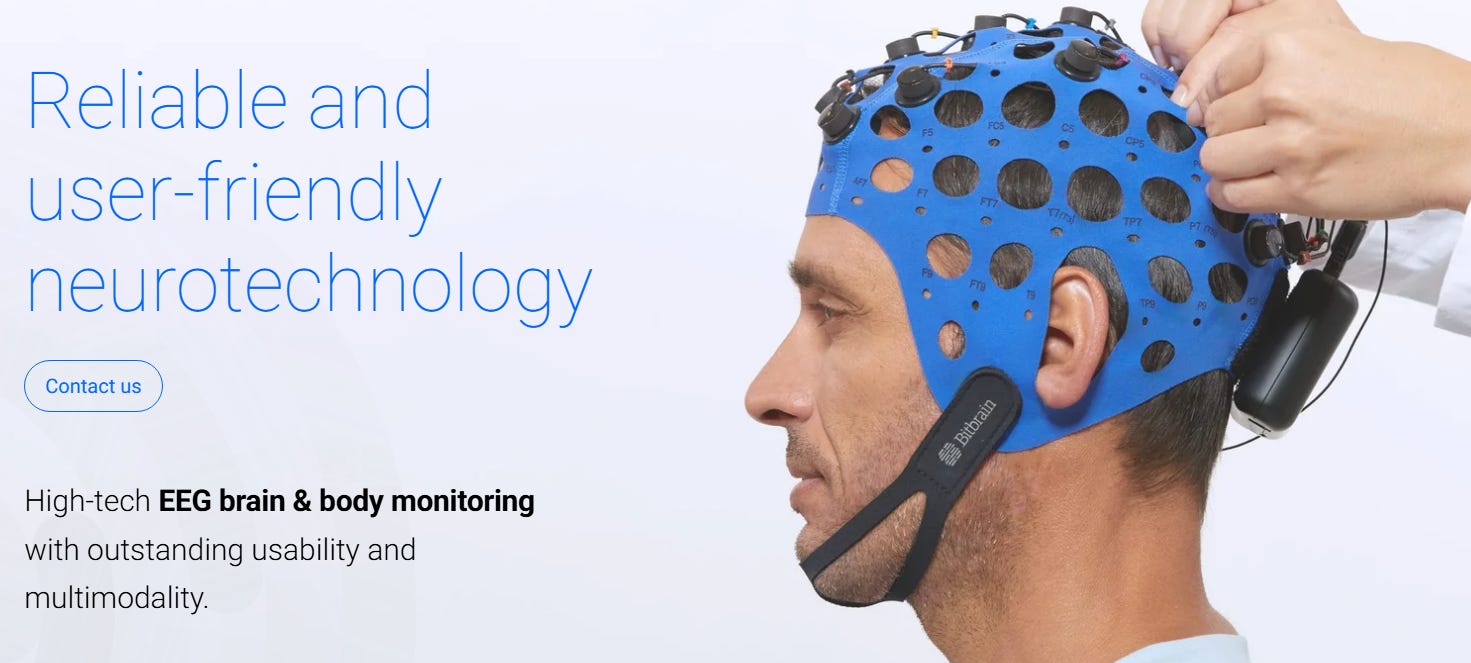
Its portfolio includes high-tech dry EEG headsets (such as Diadem, Air, and Hero) for real-time monitoring of brain activity, biosignals, and behavior, targeting applications in human behavior research, healthcare, cognitive enhancement, brain-computer interfaces (BCI), and neurotech development. With over 14 years of experience, rigorous medical standards (ISO 13485), and strong scientific backing (450+ papers), Bitbrain delivers reliable tools for both research and practical real-world use.
EMOTIV is a pioneering Australian-American neurotechnology company founded in 2011, specializing in consumer-grade, non-invasive EEG (electroencephalography) headsets.
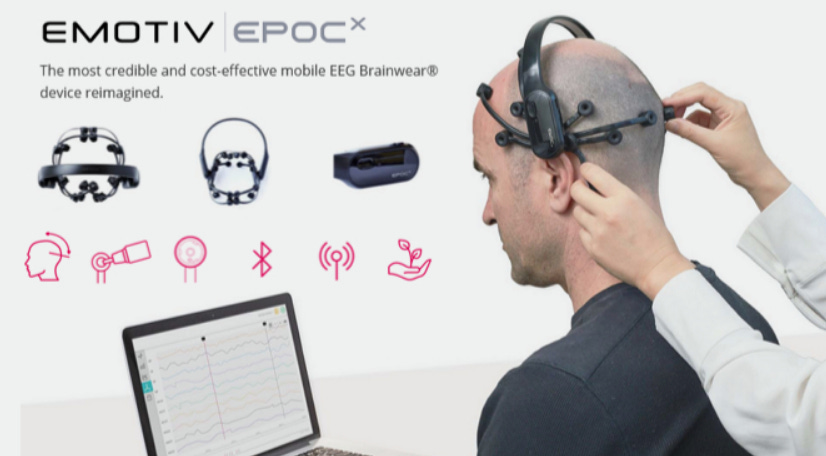
Known for making brain-computer interface technology accessible, EMOTIV develops wireless, easy-to-use devices like the EPOC X, Insight, and Insight 2, which feature 5–14 channels for high-quality brainwave monitoring. These headsets enable real-time tracking of emotions, focus, stress, and cognitive states, with applications in research, gaming, meditation, mental wellness, brain training, and BCI development. Backed by advanced machine-learning algorithms and a robust SDK, EMOTIV empowers developers, researchers, and everyday users to explore brain data in practical, affordable ways.
Paradromics is a leading U.S.-based brain-computer interface (BCI) company founded in 2015, focused on developing high-bandwidth, implantable neural interfaces to restore communication and movement for people with severe neurological conditions such as paralysis, ALS, and locked-in syndrome.
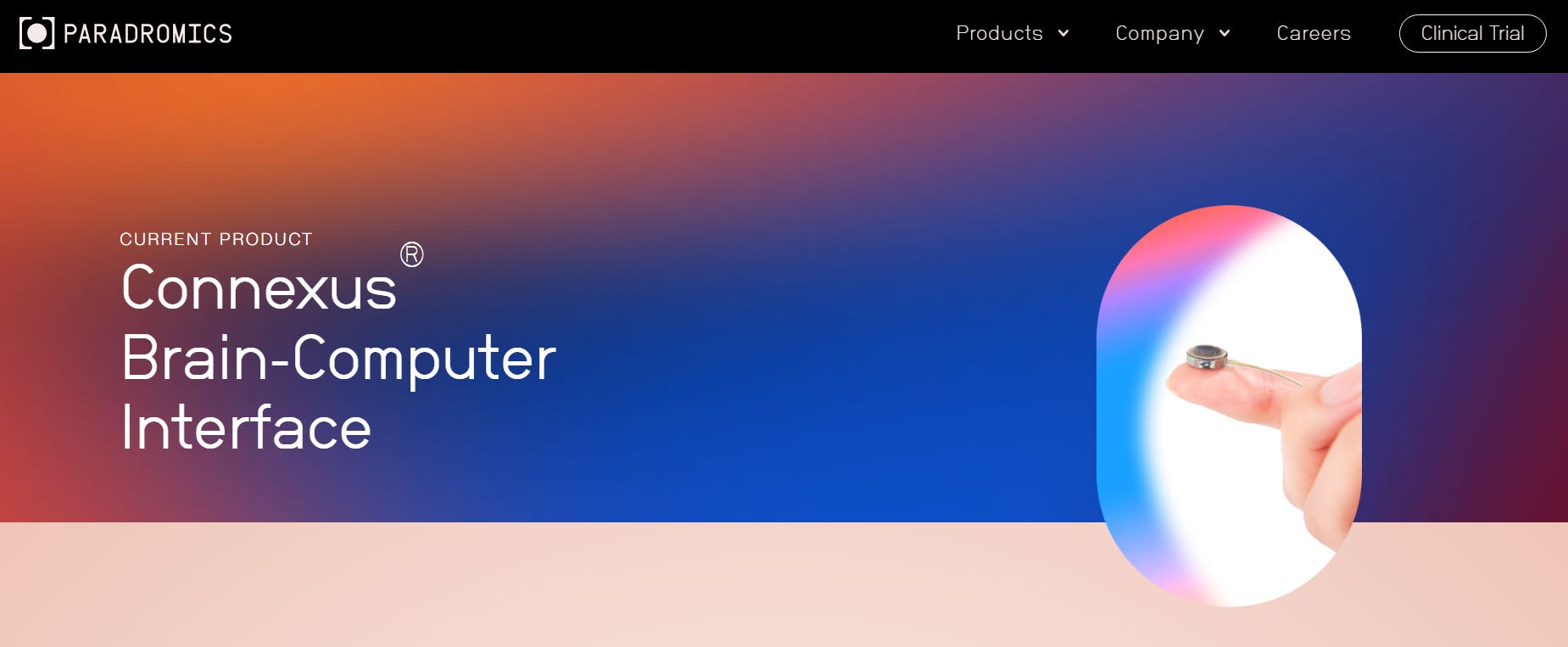
Its flagship Connexus Direct Data Interface features thousands of channels for recording and stimulating neural activity with unprecedented data rates. Backed by major funding from NIH, DARPA, and top venture investors, Paradromics has achieved key milestones, including the first human neural recordings in 2025. The company aims to deliver reliable, scalable BCI solutions that enable natural speech and control at speeds approaching human capabilities, positioning it as a top contender in the invasive BCI race.
Synchron is a trailblazing U.S.-Australian brain-computer interface (BCI) company founded in 2016, specializing in minimally invasive, endovascular neural implants. Its flagship Stentrode is a stent-like device inserted via catheter through a blood vessel—no open-brain surgery required—positioned in the motor cortex to record brain signals. This enables paralyzed patients to control digital devices, communicate, and regain independence through thought alone.
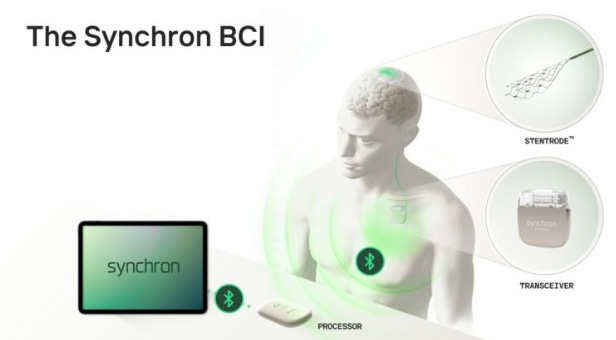
With over 10 human implants—the most advanced among invasive BCI firms—Synchron has FDA Breakthrough Device Designation and strong backing from investors like Bill Gates and Jeff Bezos. It is rapidly progressing toward widespread clinical use for paralysis, ALS, and locked-in syndrome.
Precision Neuroscience is a U.S.-based brain-computer interface (BCI) company founded in 2021 by former Neuralink co-founder Benjamin Rapoport and a team of neuroscientists and engineers. It develops the Layer 7 Cortical Interface, a minimally invasive, thin-film electrode array designed for high-resolution neural recording and stimulation with over 1,000 channels.
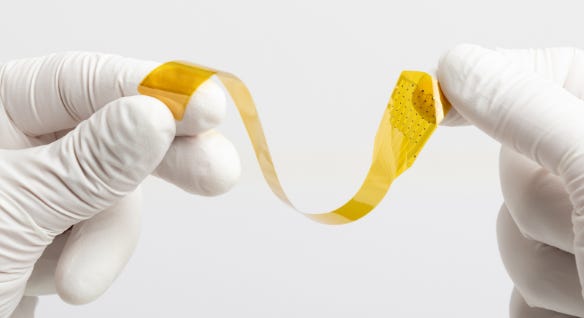
Unlike traditional rigid arrays, its flexible, conformable design aims to reduce tissue damage, improve signal quality, and allow easier removal or replacement. Precision has advanced rapidly into human trials, focusing on restoring function for paralysis, neurological disorders, and communication deficits. Backed by significant venture funding, the company emphasizes safety, reversibility, and scalability to accelerate clinical adoption in the competitive invasive BCI space.
Blackrock Neurotech is a pioneering U.S.-based neurotechnology company founded in 2008, with roots tracing back to research at the University of Utah. It specializes in high-performance, invasive brain-computer interfaces using the Utah Array—a microelectrode array with 96–128 channels widely regarded as the gold standard in neural recording.
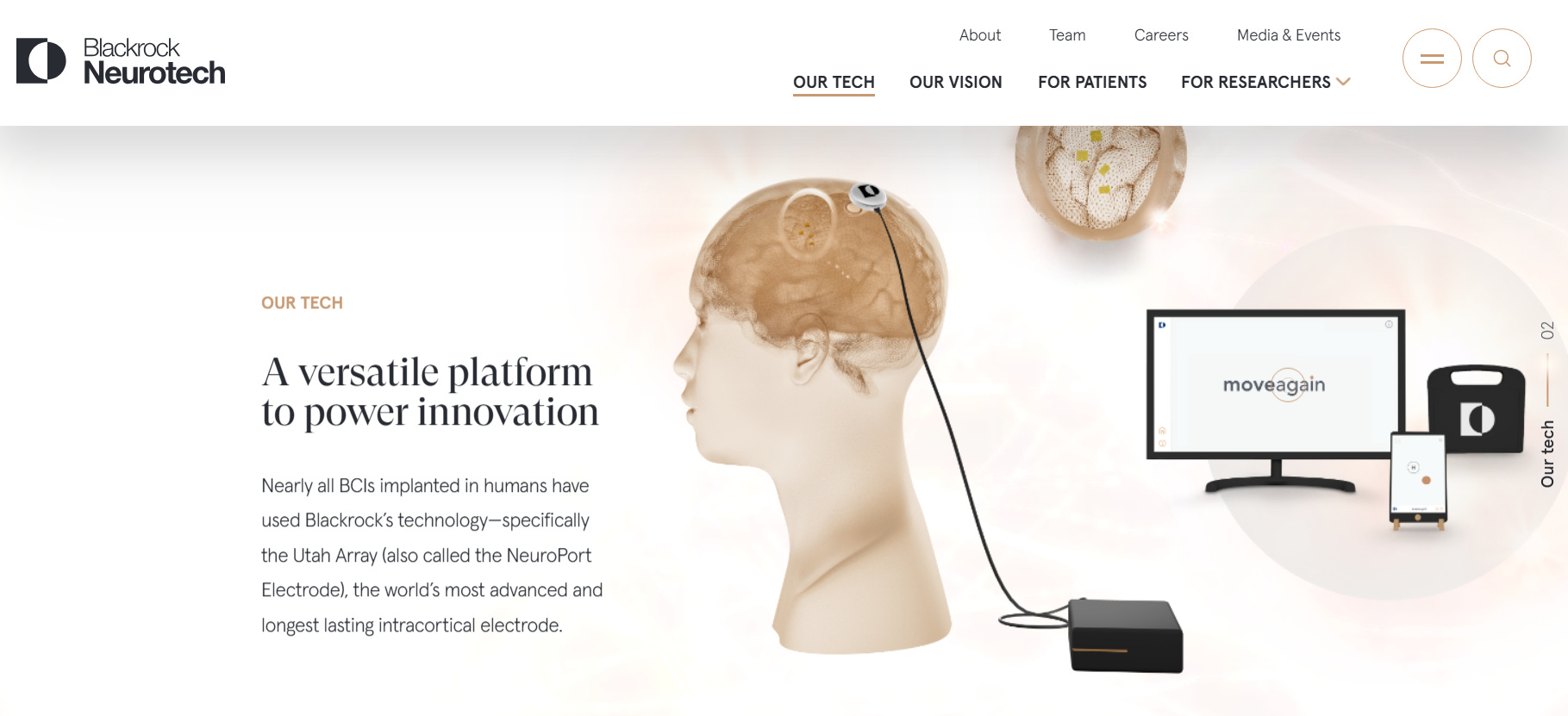
With nearly two decades of human implantation experience, Blackrock has supported groundbreaking BCI trials for paralysis, speech restoration, and motor control. Its platforms power many academic and clinical studies worldwide, offering reliable, high-resolution neural data for research and therapeutic applications. The company continues to advance scalable, long-term implantable solutions for neurological restoration and human augmentatio
Neurable is a Boston-based neurotechnology company founded in 2015, specializing in non-invasive brain-computer interfaces (BCI) using EEG headsets combined with advanced AI.
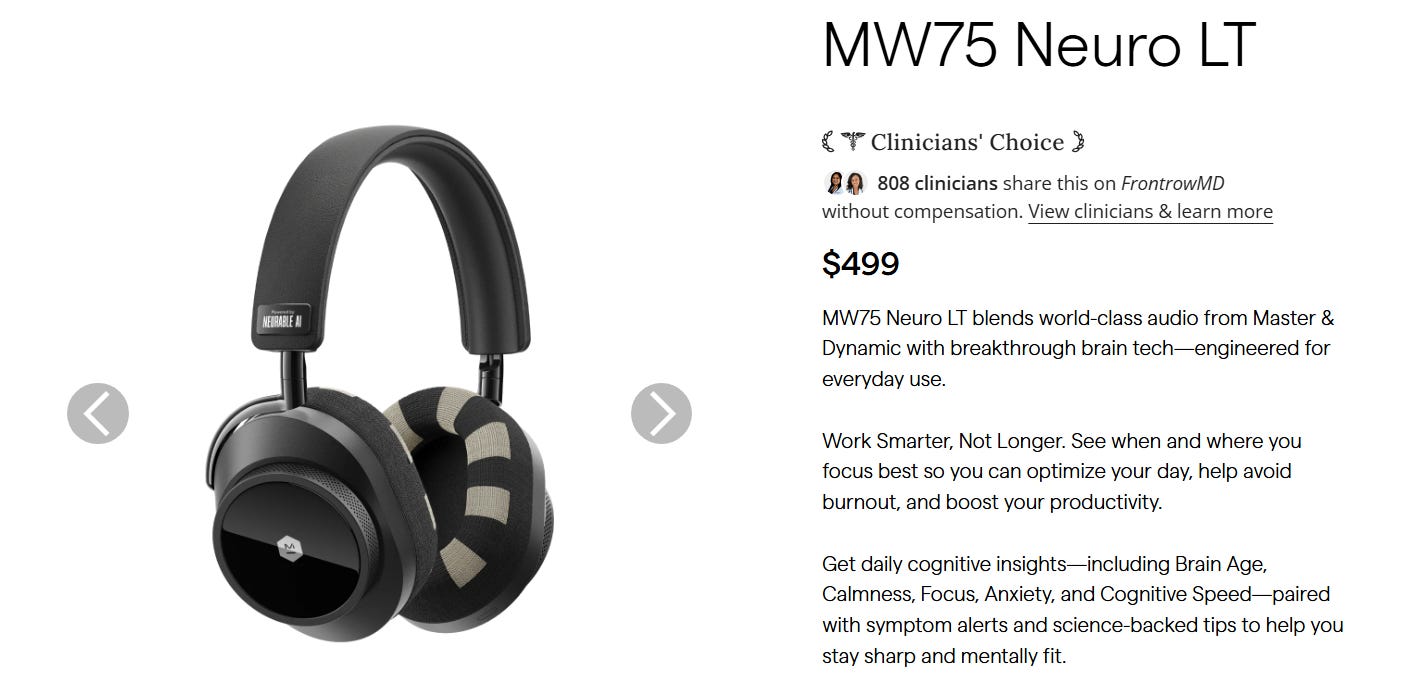
Its flagship products, such as the MW75 Neuro smart headphones and research-grade headsets, track brain activity to measure focus, attention, stress, and cognitive states in real time. Unlike medical-grade implants, Neurable focuses on consumer and enterprise applications, including productivity tools, mental wellness, gaming, AR/VR control, and workplace analytics. With proprietary machine-learning algorithms for accurate signal processing, the company enables seamless thought-based interactions and data-driven insights. Backed by strong venture funding, Neurable bridges neuroscience and everyday technology for practical, scalable brain monitoring.
Science Corporation is a U.S.-based neurotechnology company founded in 2021 by Max Hodak, former president and co-founder of Neuralink. It focuses on developing advanced brain-computer interfaces and biohybrid neural devices to restore and enhance sensory and motor functions.
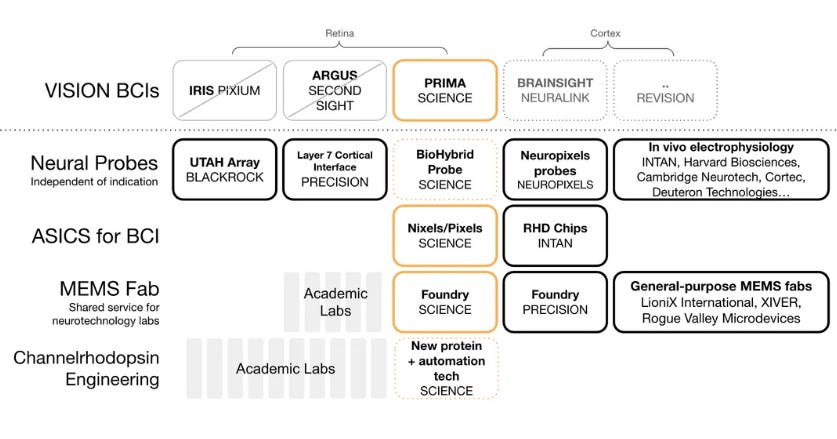
The company is particularly ambitious in vision restoration, aiming to create high-resolution cortical implants that could provide detailed artificial vision for the blind. Backed by significant venture funding and a team of top neuroscientists and engineers, Science Corporation pursues innovative approaches combining biology, electronics, and AI to push beyond current BCI limitations. It targets transformative applications in neurological restoration and human augmentation, positioning itself as a bold contender in the next generation of neurotech.
Kernel is a U.S.-based neurotechnology company founded in 2016 by Bryan Johnson, focused on developing non-invasive, high-resolution brain measurement tools to map and understand human cognition at scale. Its flagship Flow helmet combines time-domain functional near-infrared spectroscopy (TD-fNIRS) with EEG to provide whole-brain, high-fidelity neural activity data without implants.
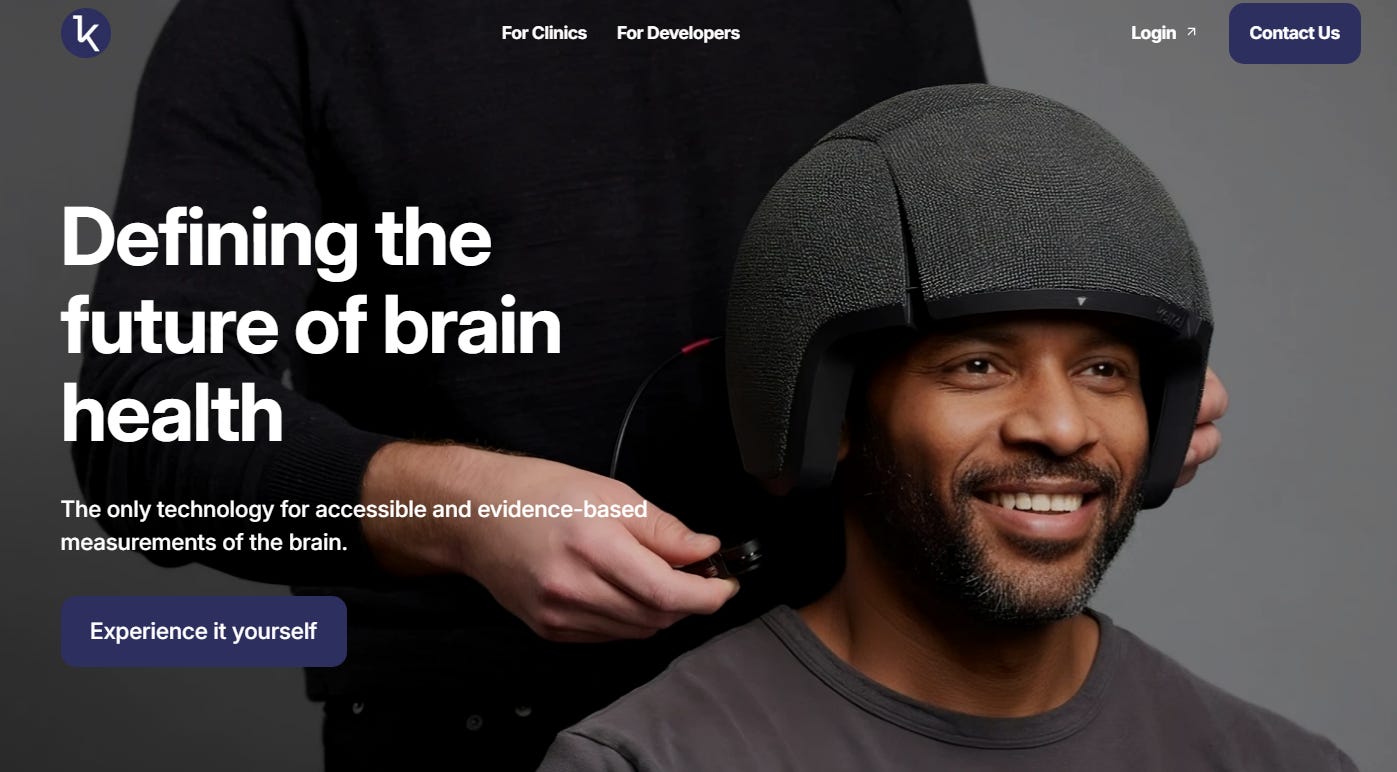
Kernel targets applications in mental health, cognitive enhancement, neurological research, and large-scale brain data collection for AI-driven insights. With significant funding and a mission to democratize brain science, Kernel aims to create the most advanced non-invasive neuroimaging platform, enabling better understanding of disorders like depression, Alzheimer’s, and everyday cognitive performance while paving the way for future brain augmentation.